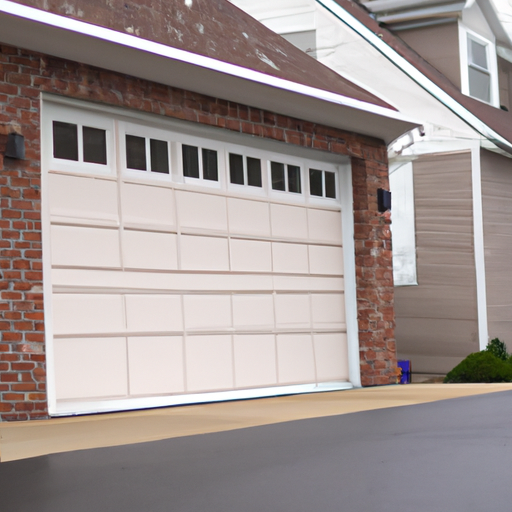
When to replace parts for garage door replacement: a Chatham, NJ homeowner’s guide
If you own a home in Chatham, NJ, deciding whether to repair or replace parts is a common question. Garage door replacement decisions affect safety, curb appeal, and long-term costs. This guide breaks down the most common failing parts, when to replace them, and how to plan a local residential service without guesswork.
Signs a part needs replacing
Not every squeak or slow cycle means a full garage door replacement is needed. Still, certain symptoms point to part-level replacement to avoid bigger problems:
- Noisy operation: grinding or metal-on-metal sounds often mean rollers, bearings, or the opener gearing are failing and need replacement before they damage the door.
- Uneven movement: a door that tilts, binds, or moves unevenly usually indicates worn springs, broken cables, or bent tracks that require immediate attention.
- Slow response or non-stop motor: if the opener runs without moving the door correctly, replace the motor drive, capacitor, or worn gear set to prevent a full opener failure.
- Visible fatigue: rusted panels, cracked rollers, or frayed cables—replace these parts to keep the door safe during normal garage door replacement work.
Which parts to replace and when
Knowing the expected service life of each component helps you budget and plan a garage door replacement project that targets only what’s necessary.
Springs
Torsion and extension springs are the most critical safety items. If a spring breaks, the door can slam down. Replace springs every 7–12 years depending on cycle life and local climate. In Chatham winters, salt and moisture can shorten spring life—inspect annually and replace springs proactively during a larger garage door replacement job.
Cables and drums
Cables fray slowly. Look for broken strands or kinks. If you see any, replace cables and drums together to maintain balanced lifting during the garage door replacement process. Never attempt to change springs or cables yourself—these are high-tension components that require trained technicians.
Rollers, hinges, and tracks
Plastic rollers may last 3–5 years; nylon or sealed-bearing rollers can last much longer. Replace noisy or wobbling rollers and bent tracks to restore smooth travel and reduce strain on the opener. When several rollers are worn, replacing all rollers at once offers better value during a garage door replacement.
Openers and electronics
Openers typically last 10–15 years. Replace the opener if you experience repeated failures, reduced torque, or outdated safety features. Upgrading to a modern opener during garage door replacement improves efficiency and adds Wi-Fi, battery backup, and safer auto-reverse standards. Consider replacing obsolete remote controls and sensors while upgrading the opener.
Cost, timing, and planning for Chatham homeowners
Local weather and home construction style affect timing and cost. In Chatham, NJ, winter freeze-thaw cycles and road salt can accelerate corrosion. Plan maintenance or part replacement in spring or early fall to avoid emergency calls during cold snaps.
Typical price ranges
- Springs (pair): expect a mid-range cost that varies by door size—replacing both torsion springs during a garage door replacement visit is common.
- Cables and drums: lower cost but replace with springs if wear is present.
- Rollers (per door): premium sealed rollers cost more but last longer and reduce opener wear.
- Openers: variable by features—basic belt-drive openers up to smart openers with battery backup.
For precise numbers, technicians perform a free inspection to quote parts and labor. Local service pros can also recommend whether a full garage door replacement is more economical than piecemeal repairs.
Warranty and lifespan considerations
Check manufacturer warranties before replacing parts—some components have transferable warranties or pro-rated coverage. When several parts are near end-of-life, combining replacements into a single garage door replacement project often extends overall life and reduces repeated service calls.
Permits, safety, and hiring local pros
Most towns require permits only for structural changes, not routine part replacement, but rules vary. In Chatham Borough and Chatham Township, check with your municipal building office for permit thresholds if you alter tracks or header framing during a garage door replacement.
Safety first
- Springs and cables are dangerous; hire licensed technicians for replacement.
- Ask providers for proof of insurance, local references, and written estimates before work begins.
- Demand that safety sensors are tested and that the opener’s auto-reverse meets current standards after any garage door replacement work.
For seasonal advice and deeper how-tos, read our blog with local tips and examples. When you’re ready to schedule an inspection, use our contact page to request a site visit. To see the full list of repairs and upgrades, visit our services overview.
Quick checklist before you call
- Note unusual sounds, travel speed, and whether the door binds at any point.
- Photograph panels, rollers, and the opener label (model and serial) to speed up estimates.
- Schedule inspections in spring or fall to avoid weather delays in Chatham, NJ.
Replacing worn parts at the right time prevents damage, lowers total cost, and keeps your garage door working reliably. A focused garage door replacement visit can replace only what’s needed while improving safety and performance for years.
Frequently asked questions — Chatham, NJ
Q: How does Chatham weather affect replacement timing?
A: Freeze-thaw and road salt can speed corrosion. Schedule spring or early fall for part replacement to avoid delays and to allow technicians to spot winter damage after thaw.
Q: How long does a typical part-level job take?
A: Most spring, cable, or roller replacements are completed in 1–3 hours. Opener swaps or combined jobs may take a half-day. Your on-site estimate will include a time window.
Q: What price range should Chatham homeowners expect?
A: Small part jobs start lower, while spring pairs or opener replacements are mid-range. Expect a clear written estimate after inspection—ask for parts, labor, and warranty details.
Q: Are permits usually needed in Chatham for part replacement?
A: Routine part swaps typically don’t require permits. Structural changes, new header framing, or major alterations might. Check with the local building office or ask your technician to confirm.
Q: Will replacing parts void my garage door warranty?
A: Only if unapproved parts are used or if the work violates manufacturer terms. Use certified technicians and OEM or approved replacement parts to keep warranties valid.
Helpful local resources in Chatham, NJ
- Garage Door Repair Hoboken
- Garage Door Repair Montclair
- Garage Door Repair Westfield
- Garage Door Repair Summit
- Garage Door Repair Maplewood
- Garage Door Repair Livingston
- Garage Door Repair Short Hills
- Garage Door Repair Princeton
- Garage Door Repair Red Bank
- Garage Door Repair Morristown
- Garage Door Repair Chatham
- Garage Door Repair Mendham
- Garage Door Repair Bernardsville
- Garage Door Repair Bedminster
- Garage Door Repair Clinton
- Garage Door Repair Tenafly
- Garage Door Repair Ridgewood
- Garage Door Repair Upper Saddle River
- Garage Door Repair Wyckoff
- Garage Door Repair Basking Ridge
- Garage Door Repair South Orange
- Garage Door Repair Teaneck
- Garage Door Repair Fort Lee
- Garage Door Repair East Brunswick
- Garage Door Repair Montvale
- Garage Door Repair Haddonfield
- Garage Door Repair Marlboro
- Garage Door Repair Cranford
- Garage Door Repair Voorhees
- Garage Door Repair North Caldwell