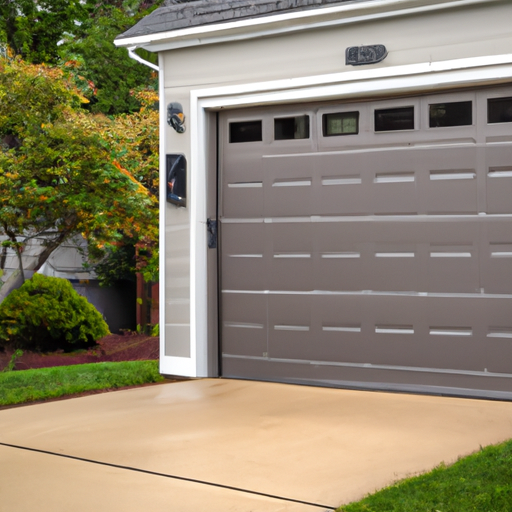
Homeowners in Chatham, NJ rely more on connected tech every year. If you use smart garage systems at your house, seasonal maintenance keeps sensors accurate, garage doors operating smoothly, and integrated apps reliable. This guide focuses on practical checks you can do, when to call a pro, and what to watch for around town.
Why seasonal care matters for smart garage systems
Smart garage systems combine mechanical parts, electronics, and networked controls. Weather in Chatham—cold winters, humid summers, and salt in the air near major roads—adds stress to moving parts and wiring. Regular seasonal maintenance reduces surprises, extends equipment life, and preserves safety features like auto-reverse sensors and battery backups.
Quarterly checklist: quick tasks every season
These fast checks take 15–30 minutes and prevent most small problems.
- Visual inspection: look for dents, rust, loose bolts, and worn cables on the garage doors.
- Lubricate moving parts: use a garage-door lubricant on rollers, hinges, and springs (avoid grease on nylon rollers).
- Test safety sensors and auto-reverse: place a 2×4 on the floor and close the door—smart garage systems must stop and reverse.
- Check Wi‑Fi range: confirm the door opener stays connected to your home network; relocate the router or add a range extender if needed.
- Inspect battery backup and power: replace backup batteries every 3–5 years or when low-voltage alerts appear on your app.
- Confirm app updates and user accounts: remove access for former residents or service accounts you no longer use.
Tools to keep on hand
- Safety glasses and gloves
- Socket set and adjustable wrench
- Silicone-based garage lubricant
- Digital multimeter for basic voltage checks
Season-by-season focus areas
Spring and early summer
Spring is ideal for cleaning and recalibrating. After winter, check for salt, sand, and debris buildup that can wear bearings and sensors.
- Clean tracks and sweep out debris; check for warping from winter moisture.
- Verify weatherstripping and bottom seals; replace if torn or compressed to keep humidity and pests out.
- Run a full system test via your app and local wall control to confirm remote and physical controls match.
Late summer maintenance
Heat and humidity affect electronics and batteries.
- Check for condensation near motor housings and control boards; improve garage ventilation if needed.
- Confirm that wireless keypads and remotes are functioning and replace alkaline batteries as required.
Autumn tune-up
Before cold weather arrives, take steps that reduce winter failures.
- Inspect and tighten hardware; thermal cycling loosens bolts and brackets.
- Lower the sensitivity of auto-reverse only if necessary and mark original settings before adjusting.
- Update firmware on smart controllers and note any manufacturer advisories.
Winter precautions
Freezing temperatures in Chatham can stiffen springs and slow motors.
- Avoid forcing a frozen door—call a technician if the door is iced in place.
- Keep sensors free of snow and ice; even partial obstruction can disable closing functions.
- Monitor motor temperature and listen for strained starts which may indicate worn components or the need for an oil-free lubricant.
Smart features to verify during seasonal checks
Confirm these smart-specific items so connected features remain reliable year-round.
- Connectivity: test remote operation from offsite and verify event logs in the app.
- Security: check that two-factor authentication and guest access settings are current.
- Notifications: ensure low-power and diagnostics alerts are enabled so you receive early warnings.
- Integrations: run a routine test with your smart-home hub or voice assistant to confirm automations operate as intended.
Troubleshooting common seasonal issues
Not every problem needs a call, but knowing what to try first can save time.
- No remote response: replace remote batteries, reboot the opener’s Wi‑Fi module, and check app permissions.
- Intermittent opener: inspect limit switches and wiring for rodent damage or corrosion.
- Strange noises: squeaks often respond to lubricant; grinding or snapping sounds may signal worn gears or springs—stop using the door and schedule service.
- Sensor errors: clean lenses with a soft cloth and verify alignment—small shifts from temperature cycles can misalign sensors on smart garage systems.
For deep diagnostics, firmware updates, or spring replacement parts, many homeowners prefer professional help. Our technicians offer seasonal inspections and can handle electrical, mechanical, and networked component work—learn more about our offerings on the services page: https://garagedoors-chatham.com/services.
When to call a local technician
Call for service if you see any of the following:
- Visible cable fraying, a snapped spring, or a door off its track.
- Persistent connectivity failures after a router reboot and range check.
- Repeated sensor or safety errors that simple resets don’t fix.
- Strange smells, smoke, or motor overheating.
Our seasonal packages and one-off repairs are listed on the blog and can be scheduled quickly; if you want personalized advice or a seasonal tune-up, use our contact form to set an appointment: https://garagedoors-chatham.com/contact.
Energy, safety, and home improvement value
Maintained smart garage systems improve home efficiency and resale appeal. A reliable system reduces drafts, prevents water intrusion, and ensures safety features work when needed—important points for any home improvement plan in Chatham, NJ.
For more detailed how-tos, seasonal checklists, and case studies from local installs, see our blog for step-by-step posts and contractor tips: https://garagedoors-chatham.com/blog.
Regular seasonal maintenance protects both the mechanical garage doors and the integrated smart components you depend on daily. Follow this guide as a baseline and schedule professional inspections every 12–24 months or sooner if you notice wear or connectivity problems.
Smart garage systems NJ seasonal maintenance tips guide: keep records of work, note serial numbers, and keep firmware current. Small seasonal investments save on larger repairs later.
Frequently Asked Questions — Chatham, NJ
Do smart garage systems need special winter preparation in Chatham?
Yes. In Chatham’s freezing winters, check weatherstripping, clear snow from sensors, and avoid forcing a frozen door. Test the battery backup and replace batteries if you saw low-voltage alerts last season.
How often should I schedule a professional tune-up?
We recommend a professional inspection every 12–24 months for residential service, and after any season where you notice increased noise, slow operation, or sensor failures.
What are typical pricing ranges for seasonal maintenance and minor repairs?
Simple tune-ups and lubrication often range from $80–$180. Minor repairs (new rollers, sensor realignment) commonly run $150–$450. Major repairs like springs or opener replacement are higher; get a written estimate before work.
Will repairs to smart components require permits in Chatham?
Most minor repairs and opener replacements do not need a permit, but electrical rewiring or permanent modifications may. Check local codes or ask your technician to confirm before work begins.
Do smart garage system warranties cover seasonal failures?
Warranties vary by manufacturer. Many cover defects for a set period but not damage from lack of maintenance or environmental wear. Keep service records to support warranty claims.
Helpful local resources in Chatham, NJ
- Garage Door Repair Hoboken
- Garage Door Repair Montclair
- Garage Door Repair Westfield
- Garage Door Repair Summit
- Garage Door Repair Maplewood
- Garage Door Repair Livingston
- Garage Door Repair Short Hills
- Garage Door Repair Princeton
- Garage Door Repair Red Bank
- Garage Door Repair Morristown
- Garage Door Repair Chatham
- Garage Door Repair Mendham
- Garage Door Repair Bernardsville
- Garage Door Repair Bedminster
- Garage Door Repair Clinton
- Garage Door Repair Tenafly
- Garage Door Repair Ridgewood
- Garage Door Repair Upper Saddle River
- Garage Door Repair Wyckoff
- Garage Door Repair Basking Ridge
- Garage Door Repair South Orange
- Garage Door Repair Teaneck
- Garage Door Repair Fort Lee
- Garage Door Repair East Brunswick
- Garage Door Repair Montvale
- Garage Door Repair Haddonfield
- Garage Door Repair Marlboro
- Garage Door Repair Cranford
- Garage Door Repair Voorhees
- Garage Door Repair North Caldwell