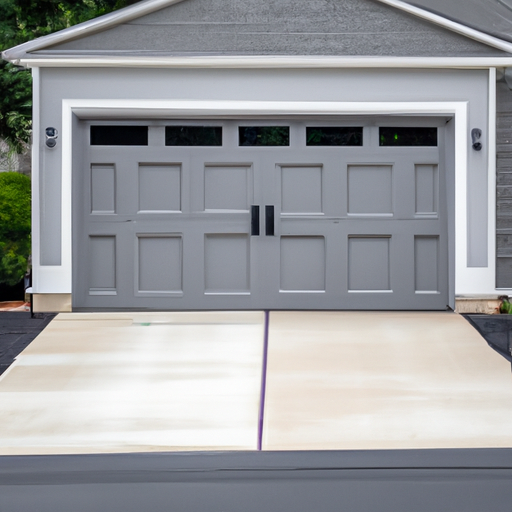
If you own a home in Chatham, NJ, knowing basic garage door repair checks can save time and avoid emergency calls. This guide walks through common issues homeowners see, simple troubleshooting steps, and when to call a pro. Keep safety in mind: a malfunctioning door can cause injury or property damage.
Quick safety checks before troubleshooting
Before you inspect moving parts, disconnect the opener and use the manual release. Put the door on a stable surface and never attempt spring repairs without tools and training. These quick checks help you narrow down the problem before spending on parts or calling a technician.
- Cut power to the opener and secure the door in place.
- Look for visible damage to cables, springs, rollers, and tracks.
- Listen for unusual noises when the door runs — grinding or snapping sounds are red flags.
Common problems and step-by-step fixes
Door won’t open or close
Symptom: The opener motor hums but the door stays put, or the remote won’t trigger movement. This is one of the most frequent reasons homeowners search for garage door repair.
- Check power and the wall switch first. Replace batteries in remotes and try the wall button.
- Inspect the photo-eye sensors at the base of the door. Clean lenses and verify alignment; a misaligned sensor prevents travel.
- If the motor runs but the door does not move, the trolley or belt/chain may have slipped or the emergency release may be engaged.
Door reverses or won’t close fully
If the door reverses when it hits the floor or stops short, adjust the sensitivity and limit settings on the opener per the manufacturer. Debris on the track or small obstructions can trigger reversal. For persistent problems, call a qualified garage door repair technician to test the opener’s safety sensors and force settings.
Broken or sagging sections, dents, and misalignment
Damage to panels or misaligned tracks can cause friction, scraping, or rough movement. Small dents often can be patched; larger structural damage requires panel replacement or door realignment.
- Check track alignment from a distance — minor bends can be straightened, but major warping needs a pro.
- Replace rollers if they’re worn; nylon rollers reduce noise and run more smoothly on tracks.
Noisy operation — grinding, squealing, or clunking
Noisy doors usually signal lack of lubrication, worn rollers, or failing bearings. Routine lubrication on bearings, hinges, and rollers reduces wear and keeps the operation quiet.
- Use a garage-door-specific lubricant on bearings, hinge points, and the torsion spring bearings (don’t apply to tracks).
- Replace rusty hardware and consider upgrading rollers to sealed bearings for longevity.
Broken spring or snapped cable (do not attempt DIY)
A snapped torsion or extension spring is dangerous and presents immediate risk. If you see a broken spring or a slack cable, secure the area and contact professionals. Spring replacement requires winding tools and exact measurements; improper work can cause severe injury.
Seasonal and local factors affecting performance
Chatham winters and summer humidity affect components. Cold temperatures stiffen lubricants and make metal parts less flexible, while wet seasons promote rust. Regular seasonal maintenance prevents many service calls and extends the lifespan of the door and opener.
- Cold-weather tip: Use cold-weather-rated lubricants and keep remote batteries fresh — batteries perform worse in low temperatures.
- After heavy storms: Inspect seals and bottom weatherstripping for water intrusion and replace if damaged.
When to call a professional — and what to expect
Homeowners can handle basic cleaning, lubrication, and sensor alignment, but call a professional for springs, cables, opener electronics, and structural damage. A trained technician can safely replace springs, adjust opener limits, realign tracks, and tune the system for quieter, longer life.
If you need scheduled maintenance or emergency service, check available services and request a detailed estimate on our services page. For urgent issues or to arrange a visit, use our contact form — include a brief description and photos if possible.
Want regular upkeep tips? See ongoing articles and seasonal advice on our blog to help prevent common failures and keep your door running smoothly.
Maintenance checklist for Chatham homeowners
Use this quick checklist every 3–6 months to reduce repairs and extend the life of your garage doors and openers.
- Clean and lubricate moving parts (rollers, hinges, bearings) every 3–6 months.
- Inspect springs, cables, and pulleys for visible wear; do not touch springs if damaged.
- Test safety reversal systems monthly: place a 2×4 on the floor and close the door — it should reverse on contact.
- Check weather seals and bottom sweep; replace if cracked or missing to prevent drafts and water intrusion.
- Schedule an annual professional inspection for springs, balance, and opener adjustments.
Following these steps reduces the number of emergency calls and keeps routine garage door repair costs predictable.
Cost expectations and timing
In Chatham, NJ, simple repairs like sensor alignment or lubrication are typically low-cost and can be completed same-day. Replacing springs or panels usually takes a few hours and includes parts and labor.
- Minor service (sensor, lubrication, remote battery): often under an hour.
- Spring replacement or cable repair: expect a 1–3 hour job with certified technicians.
- Panel replacement or full door replacement: variable — schedule an on-site estimate.
Exact prices depend on parts, door size, and whether the opener needs replacement. For a clear estimate and available appointment times, contact our team via the contact page linked above.
Final tips: safety, warranties, and permits
Always ask about warranties on parts and labor. Reputable local providers in New Jersey offer workmanship guarantees and can advise whether a permit is required for significant structural changes — especially for full door replacements or framing alterations.
For homeowners planning upgrades as part of home improvement projects, document warranty terms and keep receipts for future resale value.
When problems exceed DIY scope, a licensed technician will provide a safe, code-compliant repair and confirm the door balance and opener settings for daily reliability.
Frequently asked questions
Q: How does Chatham winter weather affect my garage door?
A: Cold weather thickens lubricants and can stiffen rollers and seals. Use a cold-rated lubricant, test open/close functions on cold mornings, and keep remote batteries fresh to avoid temperature-related failures.
Q: How long will a typical spring replacement take in Chatham?
A: For most standard residential doors, a certified technician can replace a torsion or extension spring in 1–3 hours, depending on access and whether other hardware needs replacement.
Q: What price range should I expect for common repairs in NJ?
A: Minor repairs like sensor alignment or lubrication are low cost. Spring or cable replacement is mid-range (parts + labor). Full panel or door replacement is highest — request an on-site estimate for accurate pricing.
Q: Do I need a permit for garage door replacement in Chatham?
A: Small repairs usually don’t require permits. Structural door openings or major framing changes may require town permits. Your installer can advise and, if licensed, may pull permits when required.
Q: Are parts and labor covered by warranty?
A: Many local providers offer limited warranties on parts and workmanship. Ask for written warranty details before service and keep invoices for warranty claims or future resale.
Helpful local resources in Chatham, NJ
- Garage Door Repair Hoboken
- Garage Door Repair Montclair
- Garage Door Repair Westfield
- Garage Door Repair Summit
- Garage Door Repair Maplewood
- Garage Door Repair Livingston
- Garage Door Repair Short Hills
- Garage Door Repair Princeton
- Garage Door Repair Red Bank
- Garage Door Repair Morristown
- Garage Door Repair Chatham
- Garage Door Repair Mendham
- Garage Door Repair Bernardsville
- Garage Door Repair Bedminster
- Garage Door Repair Clinton
- Garage Door Repair Tenafly
- Garage Door Repair Ridgewood
- Garage Door Repair Upper Saddle River
- Garage Door Repair Wyckoff
- Garage Door Repair Basking Ridge
- Garage Door Repair South Orange
- Garage Door Repair Teaneck
- Garage Door Repair Fort Lee
- Garage Door Repair East Brunswick
- Garage Door Repair Montvale
- Garage Door Repair Haddonfield
- Garage Door Repair Marlboro
- Garage Door Repair Cranford
- Garage Door Repair Voorhees
- Garage Door Repair North Caldwell